


Loading...

Loading...
1 min read
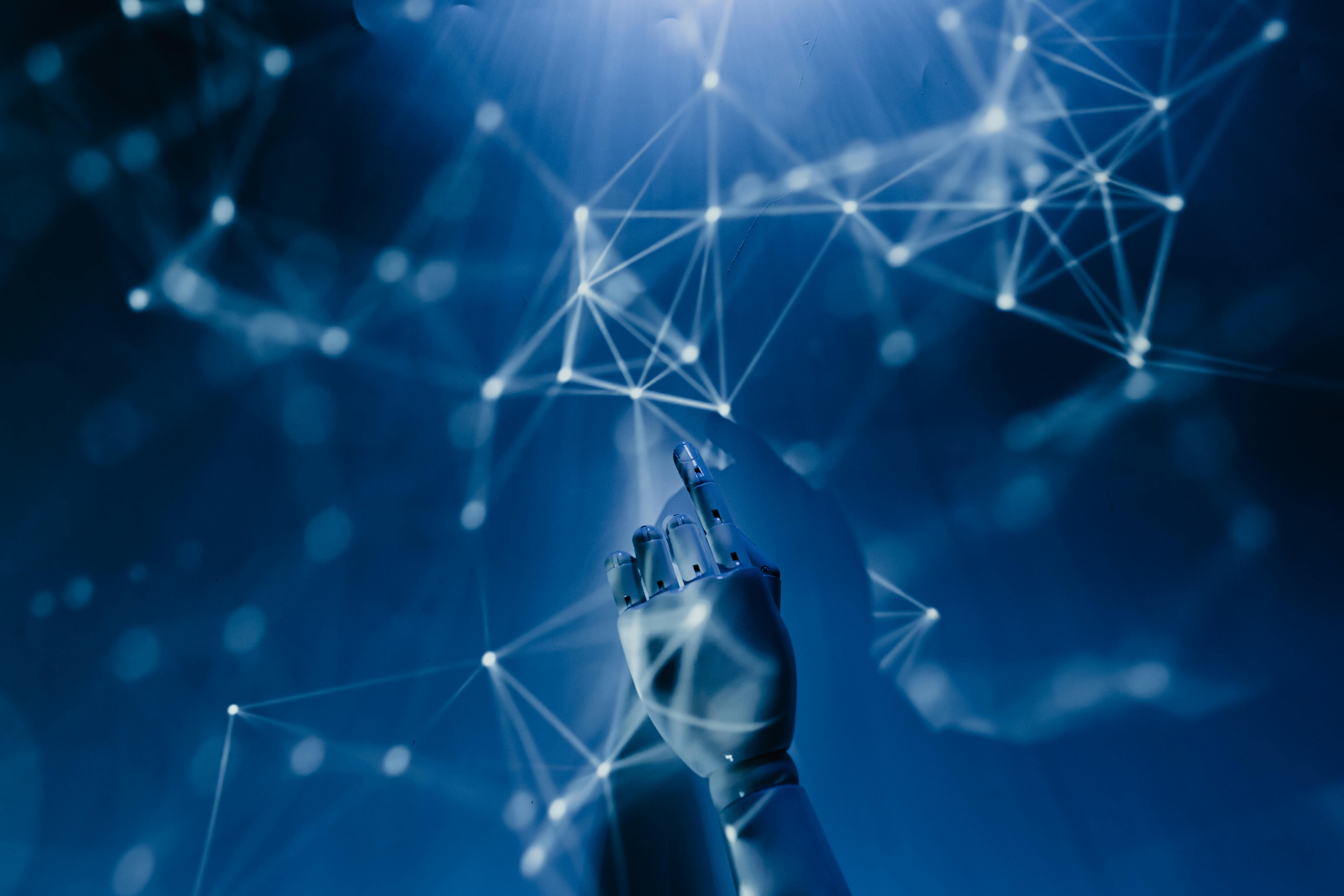
Today, the relationship between humanity and artificial intelligence (AI) is at a crucial turning point. Technological advancements in the field of AI are challenging our traditional conceptions of what it means to be "human." AI is impacting key areas such as art, ethics, and human-computer interaction, as well as the philosophical complexities that arise from this ongoing dialogue between humans and machines.
In recent years, we have witnessed exponential progress in the field of artificial intelligence. Machines like Eloquentron 3000, developed by Fabian Navarro, are changing the way we understand creativity. This bot autonomously generates poetry using algorithms based on random word selection. Participants in a 2020 study conducted at the University of Zurich concluded that Eloquentron 3000’s creations are comparable to—and in some cases considered deeper than—poetic posts made by humans on social media.
The interaction between humans and robots raises fundamental ethical questions. Experiments with voice assistants like Google Duplex have shown that automated responses can create a perception of intelligence and empathy in users. This raises ethical dilemmas concerning autonomy and the evolving relationship between humans and machines.
In the healthcare sector, robots like PARO are being used as assistants in caregiving and support tasks. PARO, designed to provide companionship to elderly individuals and those with dementia, has been shown to have positive effects on patients' emotional well-being.
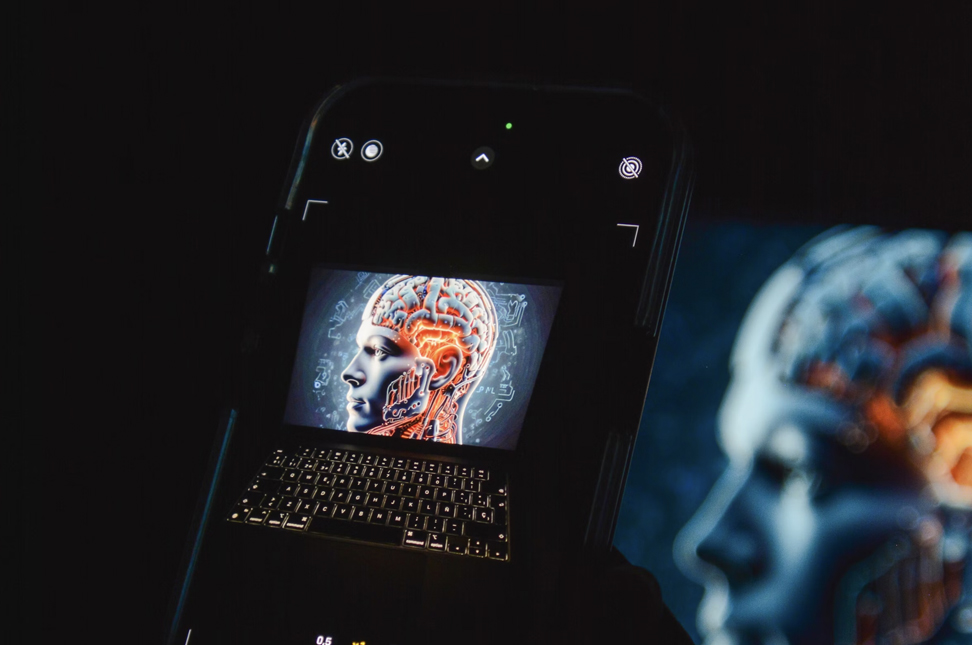
AI is inspired by the functioning of the human brain. Artificial neural networks, used in deep learning algorithms, mimic the structure and function of biological neurons. Studies have shown that these networks can learn and recognize complex patterns in large datasets, such as images and text.
For this reason, one of the most intriguing questions is whether machines can possess consciousness and emotions. The philosophy of mind is confronted with profound questions about the nature of human experience versus computational simulation. The possibility of creating AI with consciousness raises ethical challenges regarding the rights and treatment of intelligent entities.
As we move toward a future increasingly dominated by AI, it is essential to understand the scientific and ethical complexities that arise from this intersection between humans and machines. While AI offers significant benefits in terms of efficiency and productivity, it also poses ethical challenges that require deep reflection and proper regulation. A harmonious coexistence between humans and machines in this new technological era will depend on our ability to address these challenges ethically and responsibly.
Sources