


Loading...

Loading...
2 mins read
A study reveals that immersive virtual reality training can replicate the benefits of physical exercise, reducing psychosocial stress and anxiety. This innovative tool could be key for patients with physical limitations and elderly people, especially in societies with high performance demands and an aging population.
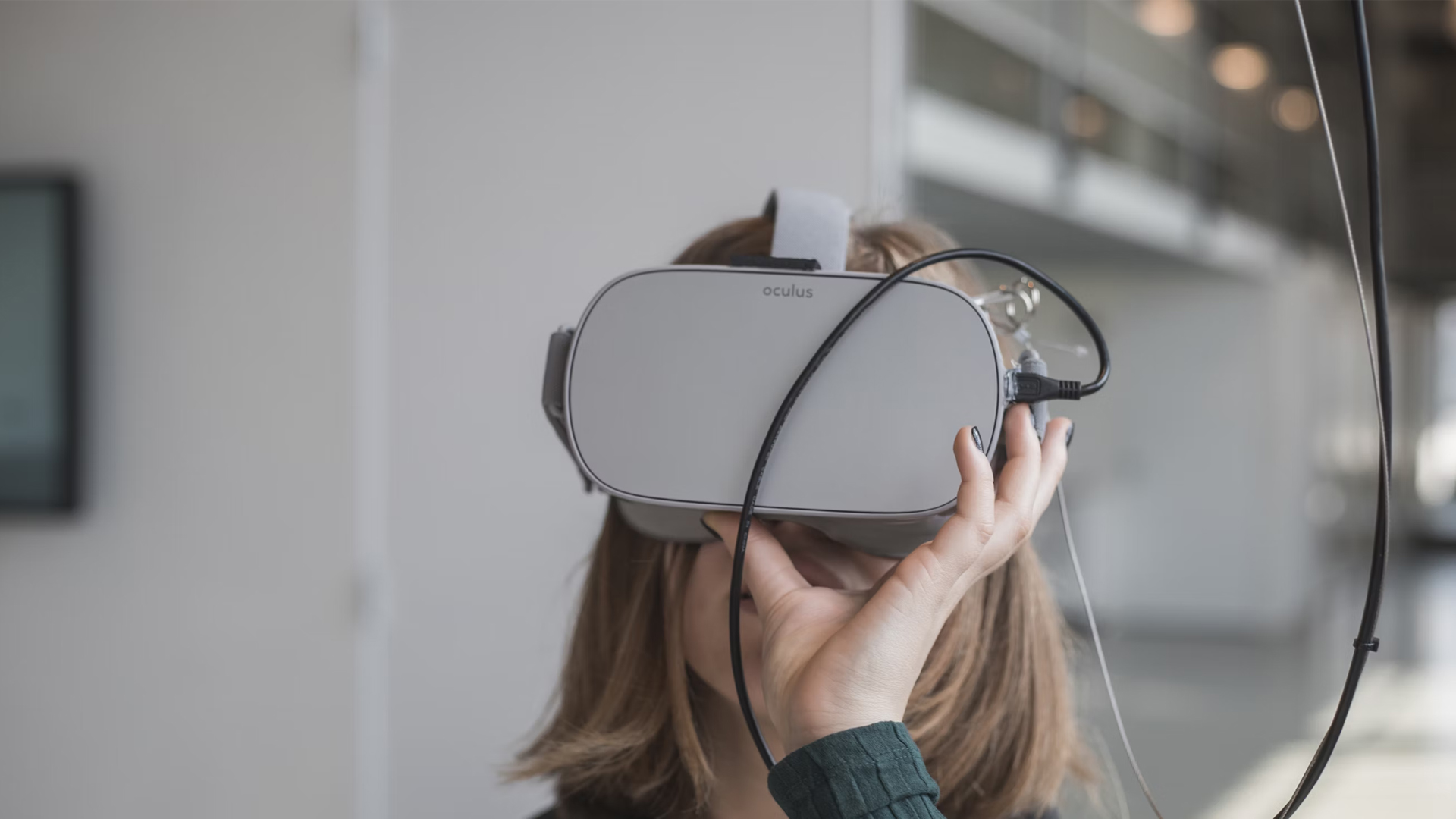
In these cases, immersive virtual reality (IVR) training could offer similar benefits. A study conducted by researchers at the Smart Ageing Research Center of Tohoku University suggests that this type of virtual training can reduce psychosocial stress and anxiety. Although IVR was initially created for entertainment, it has sparked the interest of the academic community for its clinical potential, allowing users to experience a virtual world through a virtual body.
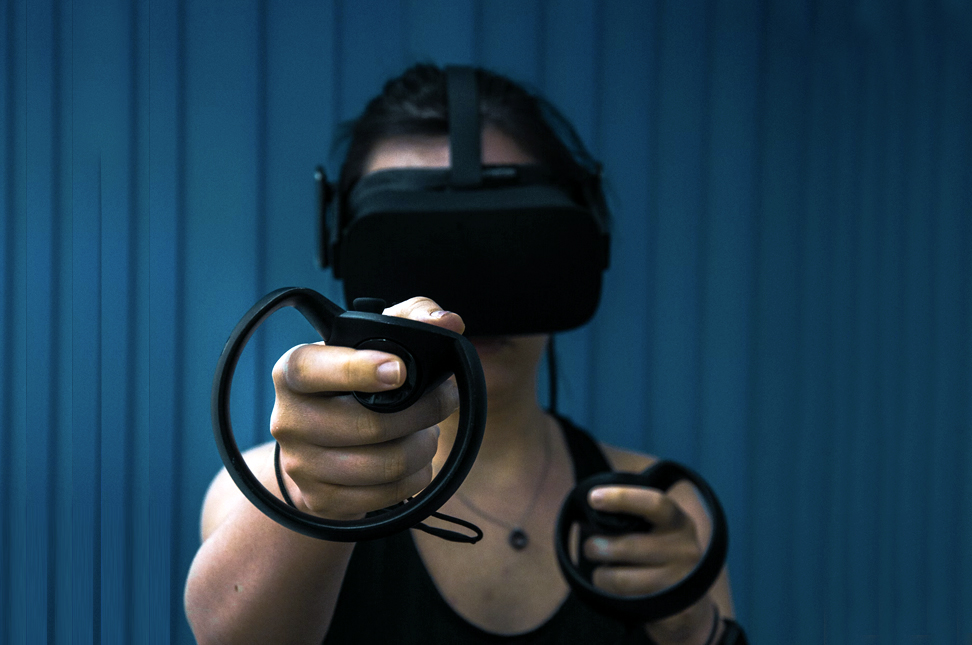
cognitive and neural benefits comparable to those of real physical exercise
Physical exercise benefits our overall well-being; however, for some people, such as neurological patients, people with cardiovascular diseases, and hospitalized patients, it may not be feasible or even risky. In previous studies, researchers observed that viewing a virtual body in motion from a first-person perspective caused physiological changes in young participants, whose heart rate increased or decreased in sync with the virtual movements, despite the subjects remaining still. These changes generated cognitive and neural benefits comparable to those of real physical exercise. In a follow-up study, these benefits were also observed in healthy older adults after 20-minute sessions, conducted twice a week for six weeks.
In the current research, the effect of virtual training on stress was also evaluated, adding another dimension to the potential benefits of IVR. During the experiment, young and healthy participants experienced virtual training from a first-person perspective, creating the illusion of movement while the avatar ran at 6.4 km/h for 30 minutes. The researchers measured psychosocial stress response through the enzyme alpha-amylase in saliva, a key biomarker of neuroendocrine stress, and assessed anxiety levels via a questionnaire.
The results indicated a reduction in psychosocial stress response and anxiety levels after virtual training, similar to the effects obtained after physical exercise. Psychosocial stress is experienced in frequent social situations, such as social judgment, rejection, and performance evaluation. While moderate exposure to stress can be beneficial, repeated and high exposure can harm our health. This type of virtual training represents a new frontier, especially in countries like Japan, with high performance demands and an aging population.
Sources