


Loading...

Loading...
2 mins read
Research published in the European Archives of Psychiatry and Clinical Neuroscience identified structural alterations in key brain regions in individuals with psychopathy, especially those exhibiting impulsive and antisocial behaviors. The finding could influence future clinical and forensic approaches.
A new study has shown certain differences in the brains of people with psychopathy, especially in those who display pronounced antisocial traits. Published in European Archives of Psychiatry and Clinical Neuroscience, the research used advanced imaging and the Julich-Brain Atlas to examine how these traits relate to changes in brain volume.
The researchers focused on examining whether different psychopathic traits could be mapped to distinct areas of the brain.
Psychopathic traits were measured using the Revised Psychopathy Checklist (PCL-R), a standardized clinical tool used to assess psychopathic traits in individuals, which divides these traits into two main categories:
Factor 1: Interpersonal and affective traits (lack of empathy, manipulation, callousness, and emotional superficiality).
Factor 2: Antisocial behaviors and impulsive lifestyle (criminal conduct, irresponsibility, impulsivity, and proneness to boredom).
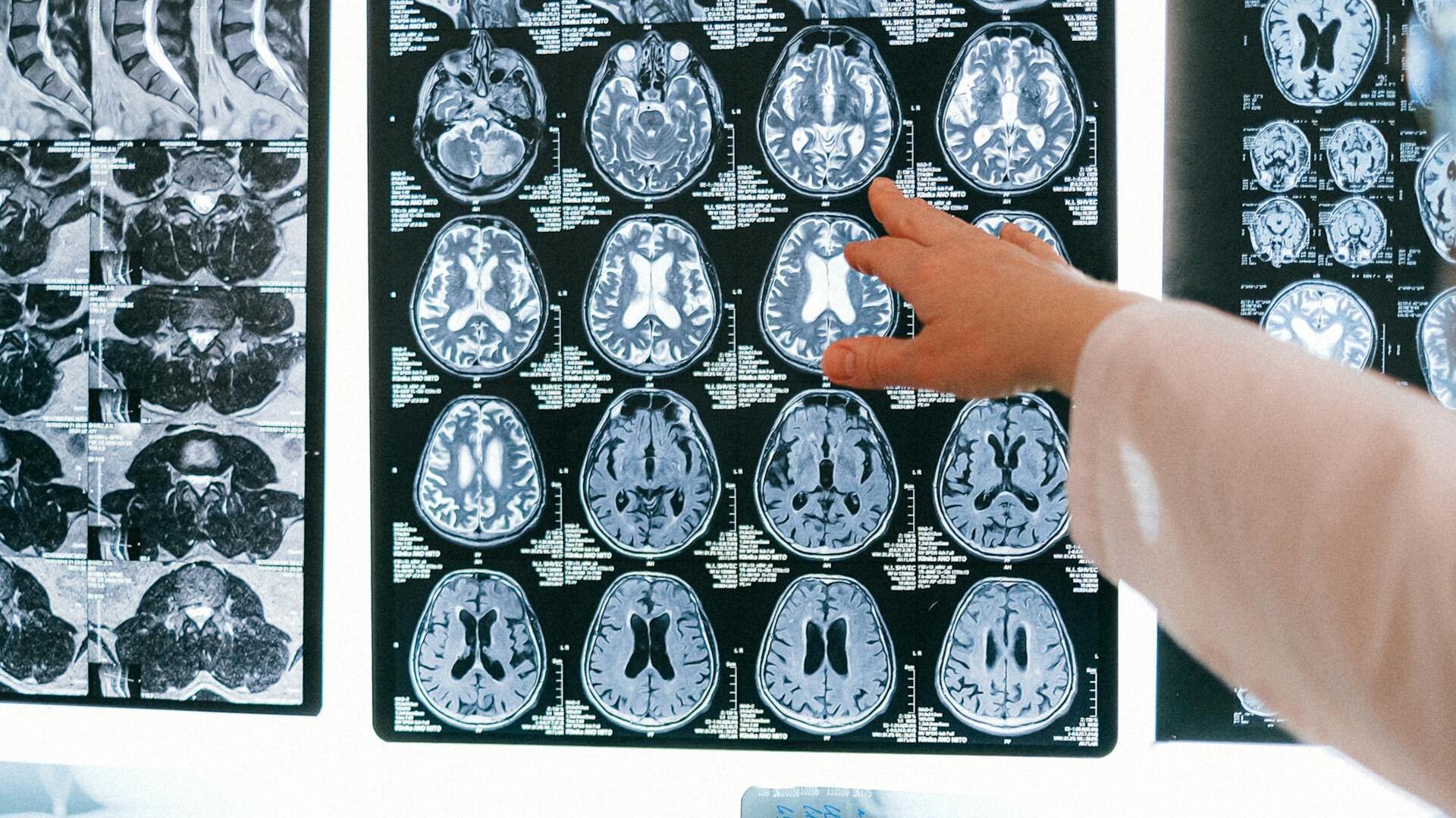
To this end, 39 men with a PCL-R score of 20 or higher were selected from German forensic institutions, including prisons and high-security psychiatric hospitals. These subjects were compared with a control group without psychopathic traits. All participants underwent brain MRI scans.
Using the imaging results, researchers conducted comparisons between the two groups using the Julich-Brain Atlas, which allowed them to discern volumetric differences across various brain regions. The results indicated that individuals with higher scores on Factor 2 of the PCL-R showed reductions in brain volume in several critical areas.
These areas included the basal ganglia, thalamus, brainstem (especially the pons), cerebellum, and parts of the brain involved in decision-making and social behavior, such as the orbitofrontal and insular cortices. These regions play a key role in emotion regulation and impulse control, so reduced volume in these areas could influence the development of antisocial behaviors.
Interestingly, a general reduction in total brain volume was also observed among participants with psychopathy. The most significant localized change was found in a part of the hippocampus called the right subiculum, which is important for memory. In contrast, traits related to Factor 1 showed weaker links to brain structure and greater variability among individuals.
The authors of the study emphasized that their findings highlight an important connection between antisocial behavior and decreased brain volume in certain key areas. Although the sample size was small and no comprehensive IQ testing or detailed substance use history was obtained, the insights from this study could help guide future rehabilitation and treatment strategies, especially in forensic contexts.