


Loading...

Loading...
2 mins read
More than an artistic expression, dance is a therapeutic tool capable of improving mental health, reducing stress, and strengthening our social connections. Dance/Movement Therapy (DMT) has proven its effectiveness in diverse populations, integrating body and mind to promote lasting emotional well-being.
Dance is a cultural expression that has been present since our beginnings as a species. Thus, in order to elucidate its evolutionary role and understand its cultural universality, various scientific investigations have been conducted. These studies have revealed that the act of dancing has profound implications for our physical health, mental well-being, and social interactions. It is based on this interest that, in the mid-1940s, "Dance/Movement Therapy" (DMT) emerged as an area of study. It has been defined by the American Dance Therapy Association as "the psychotherapeutic use of movement to promote the emotional, social, cognitive, and physical integration of the individual, with the aim of improving health and well-being."
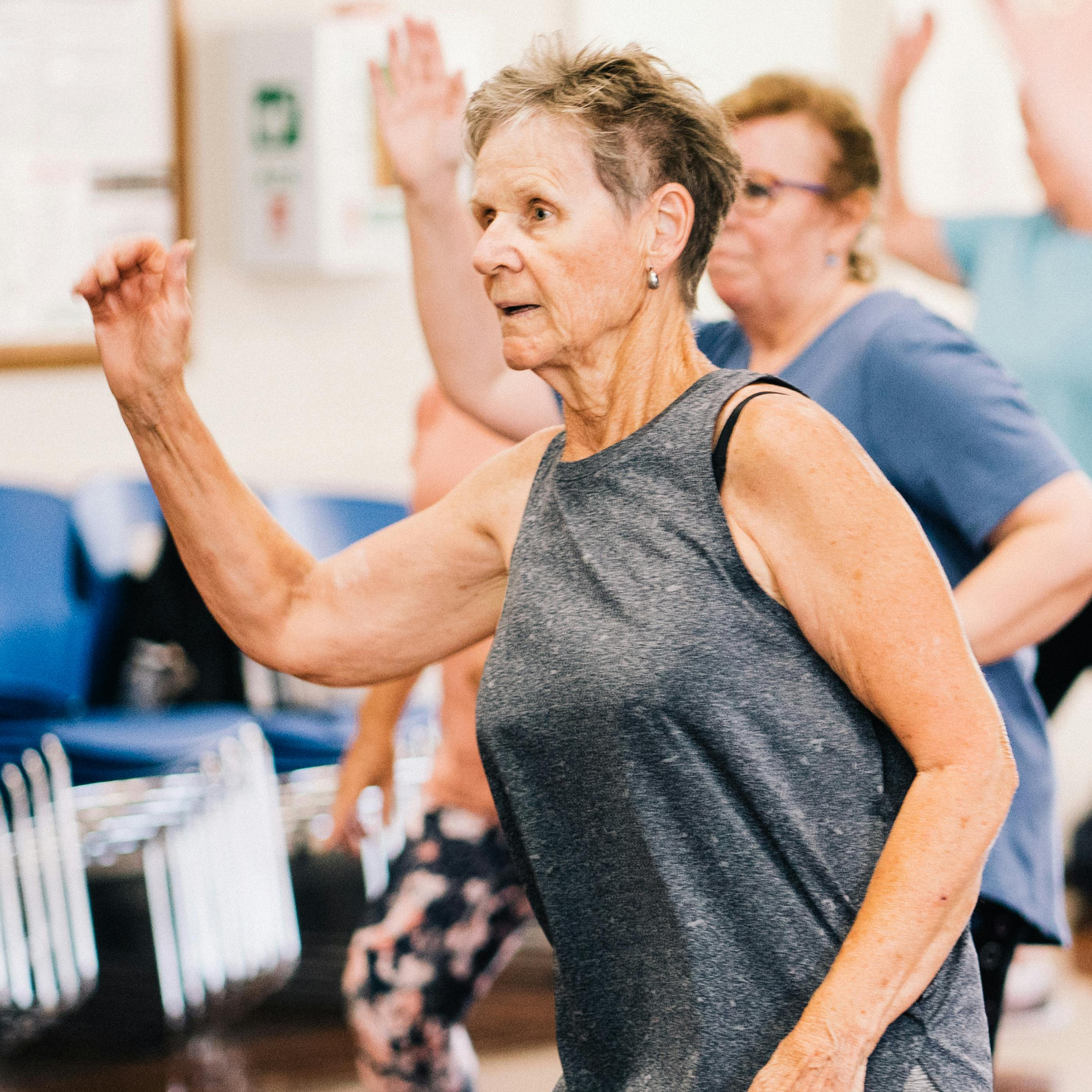
Dance significantly reduced depression levels and increased vitality in psychiatric patients.

A study conducted in 2007 by Koch, Morlinghaus, and Fuchs demonstrated that a dance intervention significantly reduced depression levels and increased vitality in psychiatric patients. The patients were divided into three groups: one participated in group dance, the second group only listened to music, and the third only did stationary cycling. The results showed that those who danced experienced a considerable decrease in depressive and anxious symptoms; additionally, there was an increase in energy and enjoyment compared to the control groups who only listened to music or exercised.
Similarly, in 2012, a study conducted by Iris Bräuninger applied Dance Movement Therapy (DMT) to 162 participants suffering from stress, who were separated into two groups: one received DMT and the other served as a control group. At the end of the study, it was concluded that the participants who received the therapy had a significant increase in their quality of life, with short and long-term effects, compared to the control group. Short-term effects included significant improvements in social relationships and physical health; long-term effects included notable increases in psychological domain and spirituality.
Another conceptual review titled "Embodied Enactive Dance/Movement Therapy" (Koch & Fischman, 2011) highlights elements such as kinesthetic empathy, body memory, and movement metaphor, which are related to healing and improving well-being. This research suggests that dance movement therapy not only addresses symptoms at a psychological level but also involves the body in the therapeutic process, promoting a mind-body integration that is crucial for recovery and holistic well-being.
These findings underscore the capacity of DMT to offer a comprehensive and effective therapeutic intervention, which can be applied to diverse populations, from children to the elderly, in a variety of clinical and community contexts. Dance is not just a means of human expression; it is also a powerful tool that allows us to strengthen our physical and mental health, nurture our social connections, and foster emotional well-being. Whether you enjoy dance as a hobby or as a form of exercise, dancing alone or with friends, its benefits are undeniable.
Sources