


Loading...

Loading...
1 min read
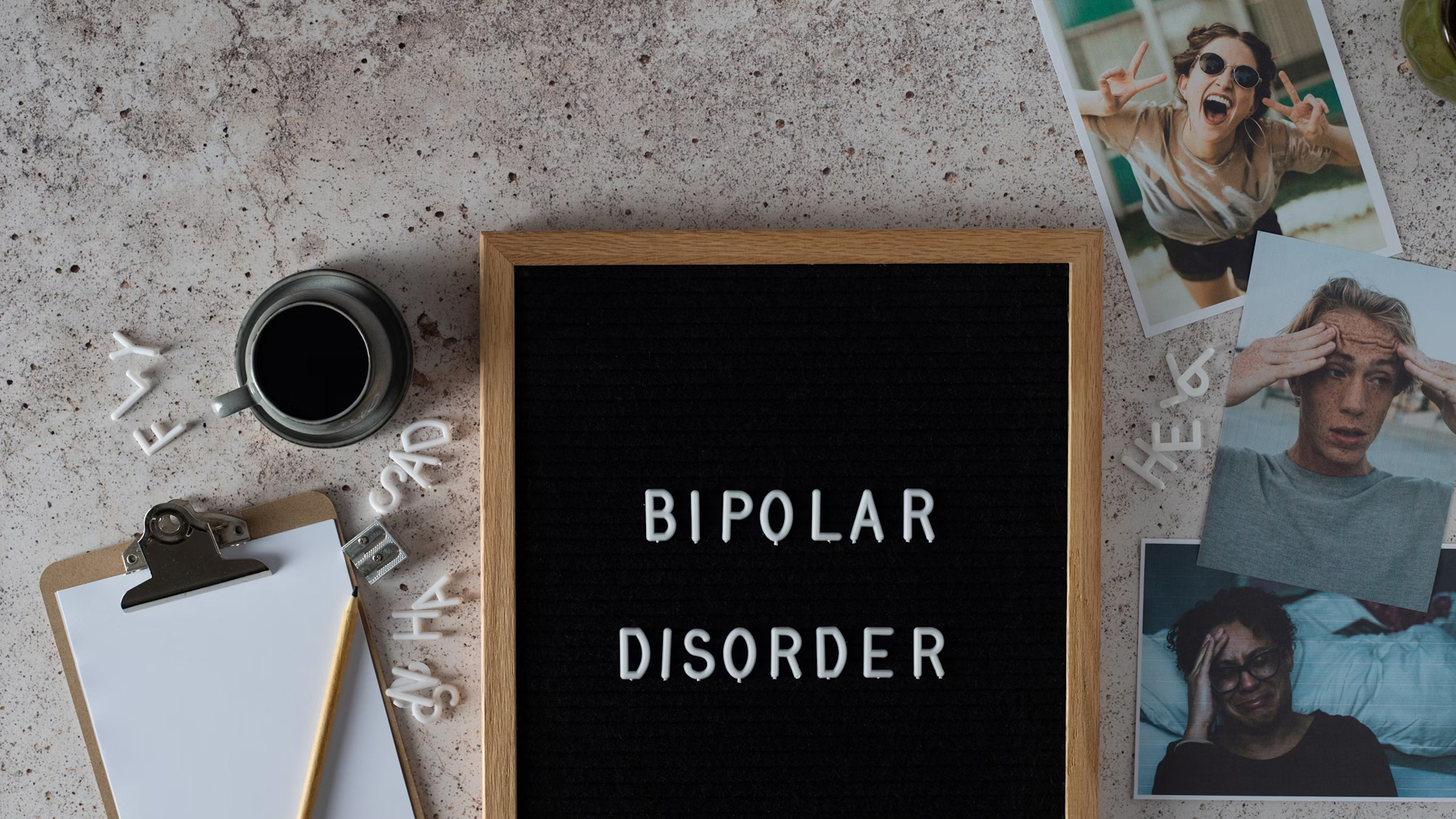
Bipolar disorder, or manic-depressive illness, is characterized by extreme mood swings, ranging from moments of great happiness and vigor (manic) to periods of deep sadness and hopelessness (depressive). These mood swings can significantly impact actions, energy levels, and the ability to perform daily tasks. According to the WHO, at least 40 million people worldwide suffer from this disorder. (1)
There are three main categories of bipolar disorder:
Bipolar I Disorder: Involves manic episodes that can last at least 7 days or are severe enough to require immediate hospitalization. Additionally, it is possible to experience episodes of depression and mixed states.
Bipolar II Disorder: Characterized by depressive episodes, but instead of full-blown mania, it presents episodes of hypomania, a less severe form of mania.
Cyclothymic Disorder: Involves symptoms of hypomania and depression that are less intense and shorter in duration than the episodes seen in Bipolar I and II disorders.
Although the exact cause of bipolar disorder is still not fully understood, it is believed that genetic, neurobiological, and environmental factors may influence its onset. There is a higher risk of developing bipolar disorder if there is a family history of the illness or if traumatic or stressful life events have been experienced.
The signs of bipolar disorder can vary depending on the type and stage of the episode, though they commonly involve noticeable changes in mood, energy, and activity. Manic episodes can include extreme happiness, anger, and risky behaviors, while depressive episodes may show sadness, disinterest, and thoughts of self-harm.

The only way to ensure if someone has bipolar disorder is through a clinical interview conducted by a psychiatrist, accompanied by a review of medical history and, if necessary, medical tests to rule out other conditions. Typically, therapy involves the use of various medications, such as mood stabilizers and antipsychotics.
Bipolar disorder is a complicated condition that impacts the lives of those affected and their families. However, with early detection and appropriate therapy, the vast majority of people manage to have a full and satisfactory existence. If signs of bipolar disorder are present or there is a suspicion of having it, it is essential to seek professional advice, whether for oneself or for a close relative. Bipolar disorder is a serious illness that requires care and understanding. With the appropriate help, people with bipolar disorder can manage their symptoms and live meaningful and productive lives.