


Loading...

Loading...
2 mins read
A team at Stanford has managed to translate internal speech—what we imagine saying without actually speaking—in real time using brain implants and artificial intelligence models. This breakthrough opens up an unprecedented channel of communication for people with paralysis, but it also raises ethical concerns about mental privacy and the need for new “neurorights.”
Advances in the relationship between brain and machine are entering a realm that until recently seemed reserved for science fiction. Researchers at Stanford University have achieved a milestone that marks a turning point: decoding internal speech—what we think but do not say—and transforming it into text in real time.
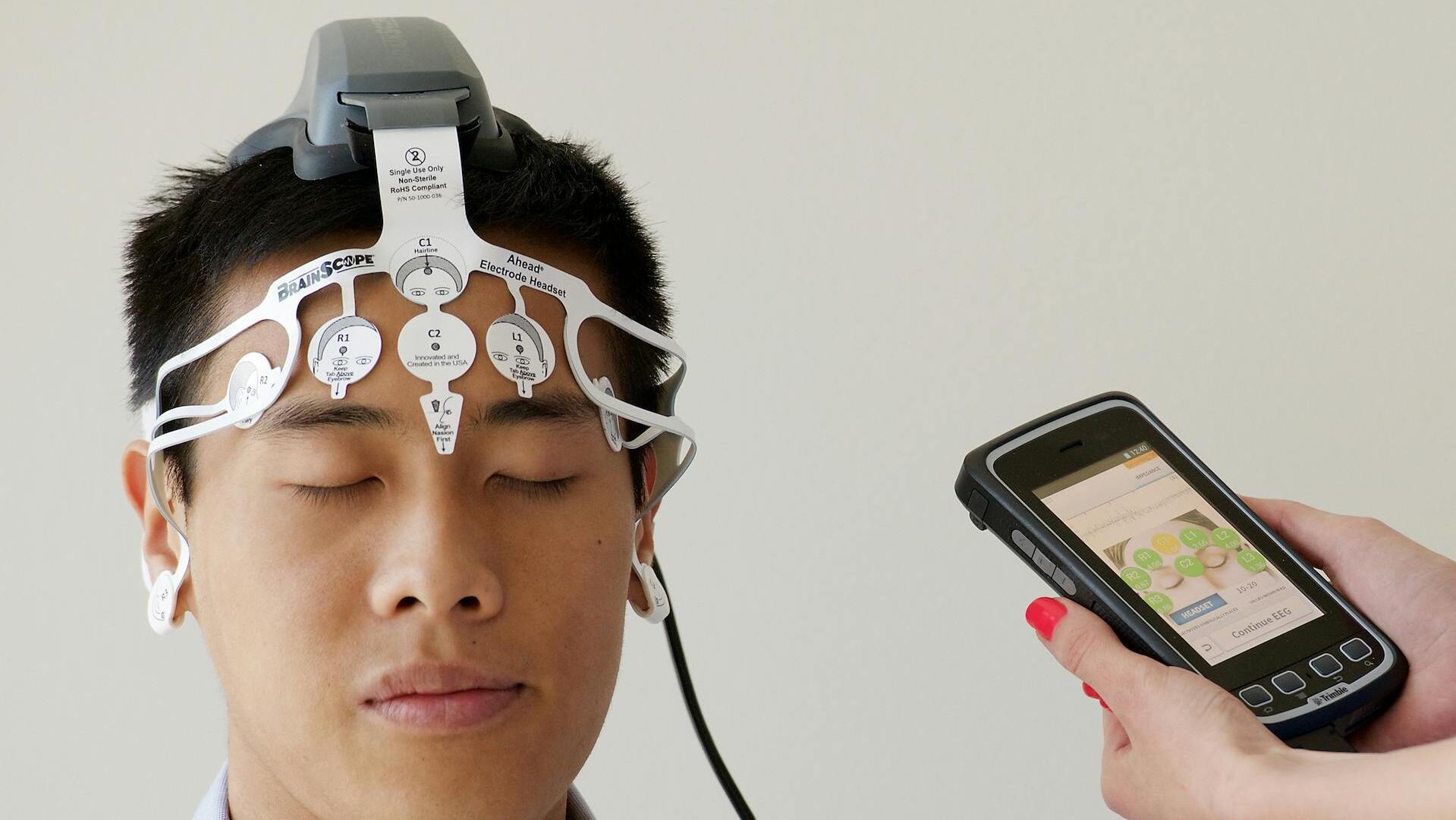
The technology is based on brain implants that directly record neural activity in the motor cortex, the area responsible for coordinating speech movements. From these patterns, an artificial intelligence system trained with phonemes is able to reconstruct words and phrases that patients do not speak aloud but imagine saying. In tests conducted with individuals suffering from severe paralysis, the accuracy rate reached 74%—a level never achieved before.
The appeal of this breakthrough is clear: it opens a smoother and less exhausting channel of communication for those who have lost the ability to speak. Until now, brain-computer interfaces relied on simulating movements of the lips, tongue, or vocal cords, which required effort and could be tiring. With the new approach, simply thinking the phrase is enough for the system to capture it.
However, the same achievement that promises to restore autonomy also raises concerns. The fact that it is possible to decipher thoughts presents deep ethical dilemmas. During testing, unsolicited signals were recorded, prompting the team to implement a kind of “mental password”: a code the user had to imagine before activating the system. Without that key, the implant could not access what the person was thinking. This measure improved privacy by up to 98%.
Researchers acknowledge that this is still a “proof of concept”: the vocabulary is limited, the implants remain invasive, and training requires time and constant adjustments. Even so, expectations are high. With better algorithms, more advanced hardware, and wireless devices, it is projected that in the coming years the technology will enable fluent, fast, and comfortable internal speech.
The debate, of course, goes beyond the technical. The possibility that intimate thoughts could be deciphered without consent confronts us with the need to define new “neurorights”: rights that protect mental life as an inviolable space. Chile, in fact, has been a pioneer in this field by incorporating neurorights into its Constitution (Law No. 21.383), becoming the first country in the world to explicitly recognize the protection of the mind against technological intrusion.
If until now we have defended the privacy of what we say or write, we may soon need to guarantee the privacy of what we think. Thus, while this innovation offers a path of hope for those who have lost their voice, it also reminds us that the boundary between the intimate and the public has never been so exposed.