


Loading...

Loading...
2 mins read
Researchers at the Jackson Laboratory have shown that the retina reflects brain alterations linked to the genetic mutation MTHFR677C>T. Routine eye exams could become a key tool for early detection and prevention of Alzheimer’s, while healthy lifestyle habits help reduce risks even in genetically predisposed individuals.
Our eyes could become a window for anticipating the risk of Alzheimer’s and other forms of dementia up to twenty years before the first symptoms appear. Researchers at the Jackson Laboratory in Maine, United States, have shown in mouse studies that subtle changes in the tiny blood vessels of the retina reflect similar alterations in the brain, associated with cognitive decline and genetic risk of the disease.
The experiment focused on mice carrying the genetic mutation MTHFR677C>T, which is present in up to 40% of the human population and affects the structure and flow of blood vessels. In these animals, researchers observed narrowed, twisted, or less branched arteries—changes that reflect reduced blood flow in the brain and increase cognitive vulnerability.
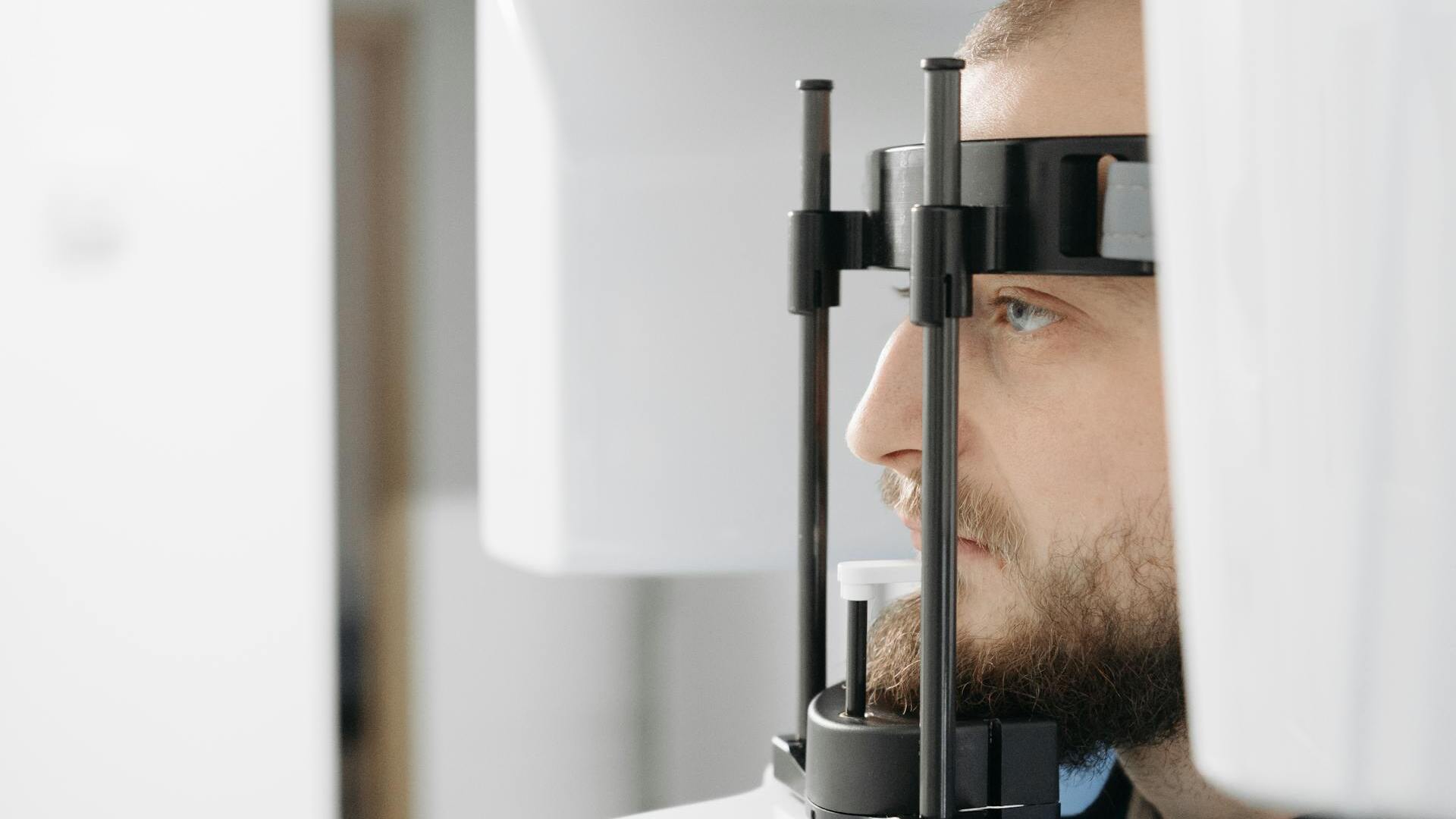
These changes are not just local signals in the retina; they reflect systemic issues that may involve blood pressure and overall circulation. The retina is considered an accessible extension of the brain, making routine eye exams a potential tool for early diagnosis, allowing intervention before memory and reasoning abilities are compromised.
Previous studies, though smaller in scale, had also suggested that eye scans could track cognitive decline—a precursor to dementia—but trials were limited, and further research is still needed to definitively confirm the link between retinal vessels and Alzheimer’s in humans.
Moreover, the findings show that vascular health and genetics do not entirely determine one’s fate. Lifestyle factors, such as the Mediterranean diet, can help repair brain tissue and improve energy metabolism, reducing risks even in individuals with high-risk genes. Alzheimer’s disease, which accounts for 60% to 70% of dementia cases, currently affects over 55 million people worldwide, and this number is expected to nearly double every 20 years, reaching 139 million by 2050. In 2021, dementia was responsible for approximately 1.8 million deaths globally, making it one of the leading causes of mortality.
Although more studies are needed to translate these findings from mice to humans and confirm the direct relationship between retinal changes and dementia, the research opens the door to a new strategy for prevention and early detection. For millions of people, this could mean decades of advance warning against a disease that poses an increasingly urgent public health challenge.
Sources