


Loading...

Loading...

2 mins read
Evaluating the mental health of parents during pediatric consultations, especially after the child's first year of life, could help detect and treat parental depression, which affects both caregivers and the child's development. Despite its relevance, these screenings are infrequent, highlighting the need for comprehensive follow-up protocols and referrals to mental health services.
Pediatricians can play a fundamental role in identifying parental depression: according to a Rutgers study, evaluating both mothers and fathers for symptoms of depression after their child's first year of life during pediatric consultations could help identify families in need of mental health support. This is a critical period, especially for those parents who, without frequent access to mental health services, do attend pediatric consultations.
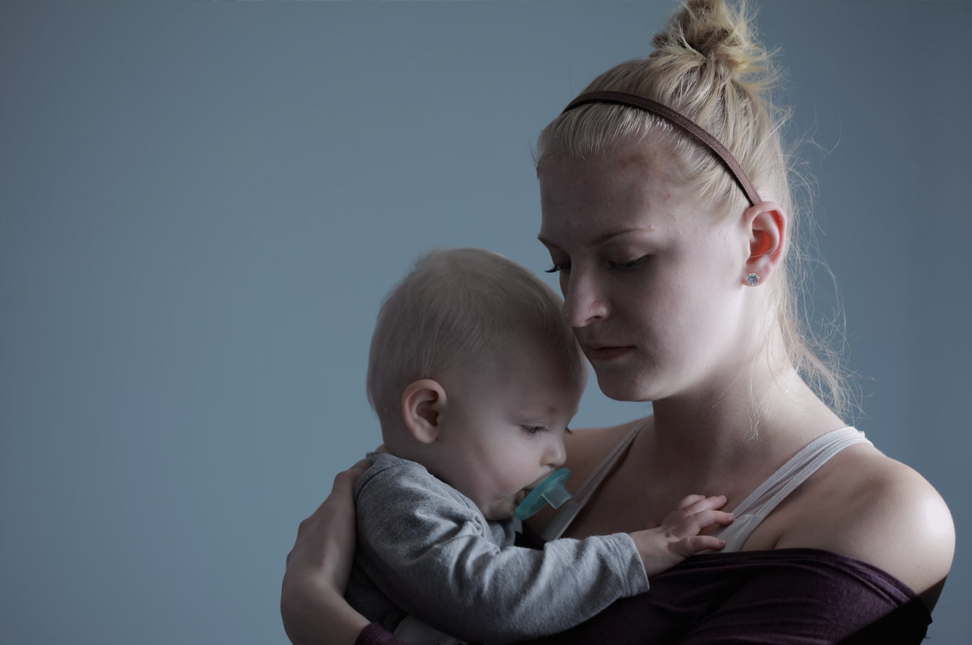
The study analyzed the implementation of screenings to detect symptoms of depression or mood disorders in pediatric care centers in children over 12 months old. In Chile, it has been reported that 20.9% of mothers experienced depression six months after childbirth, while 44.3% showed elevated levels of anxiety during the same period (Coo et al., 2021). Mothers with depression face a higher risk of establishing insecure attachments with their children and tend to adopt stricter parenting behaviors. Maternal depression is also associated with negative effects on the cognitive, behavioral, and physical development of children.

In their analysis, the researchers reviewed 41 studies that included more than 32,700 parents and caregivers of children over one year old, finding that, on average, 25% of parents showed symptoms of depression. It was also observed that structured depression screening programs in pediatric settings outside the postpartum period are infrequent, despite the prevalence of depressive symptoms among parents. In many cases, parents who tested positive in these screenings did not receive appropriate follow-up or referrals.
Despite the fact that parental depression is common and has a significant impact on both parents and children, there is a notable lack of screening programs outside the postpartum period, especially for parents in pediatric contexts. This study reveals a high prevalence of parental depression in various pediatric areas, such as outpatient and specialty care. Although certain demographic factors may increase the risk of depression, they are not reliable predictors; this suggests that screenings based solely on perceived risk may miss some affected parents.
Although annual pediatric visits offer opportunities to identify parental depression, few professionals conduct screenings due to the lack of standardized tools and the discomfort of addressing the topic in a pediatric setting. While standardized tools are more effective than clinical judgment, the lack of adequate follow-up limits the effectiveness of current programs.
Lessons from family medicine and obstetrics, where successful follow-up programs have been implemented, could be useful to guide the implementation of screenings in pediatrics. For these programs to be effective, parental mental health screening needs to be comprehensive, family-centered, and connected with community resources. Future research should focus on establishing effective methods to connect parents with depressive symptoms to support services, especially outside the postpartum period and in different pediatric settings. Parental depression has profound repercussions on child health and development; therefore, expanding screenings to a wider variety of clinical settings and ages could benefit more families in need of critical support. Integrating follow-up protocols and referrals to mental health services is crucial to ensure that parents receive the necessary treatment, which, in turn, would improve family well-being and child development.